-
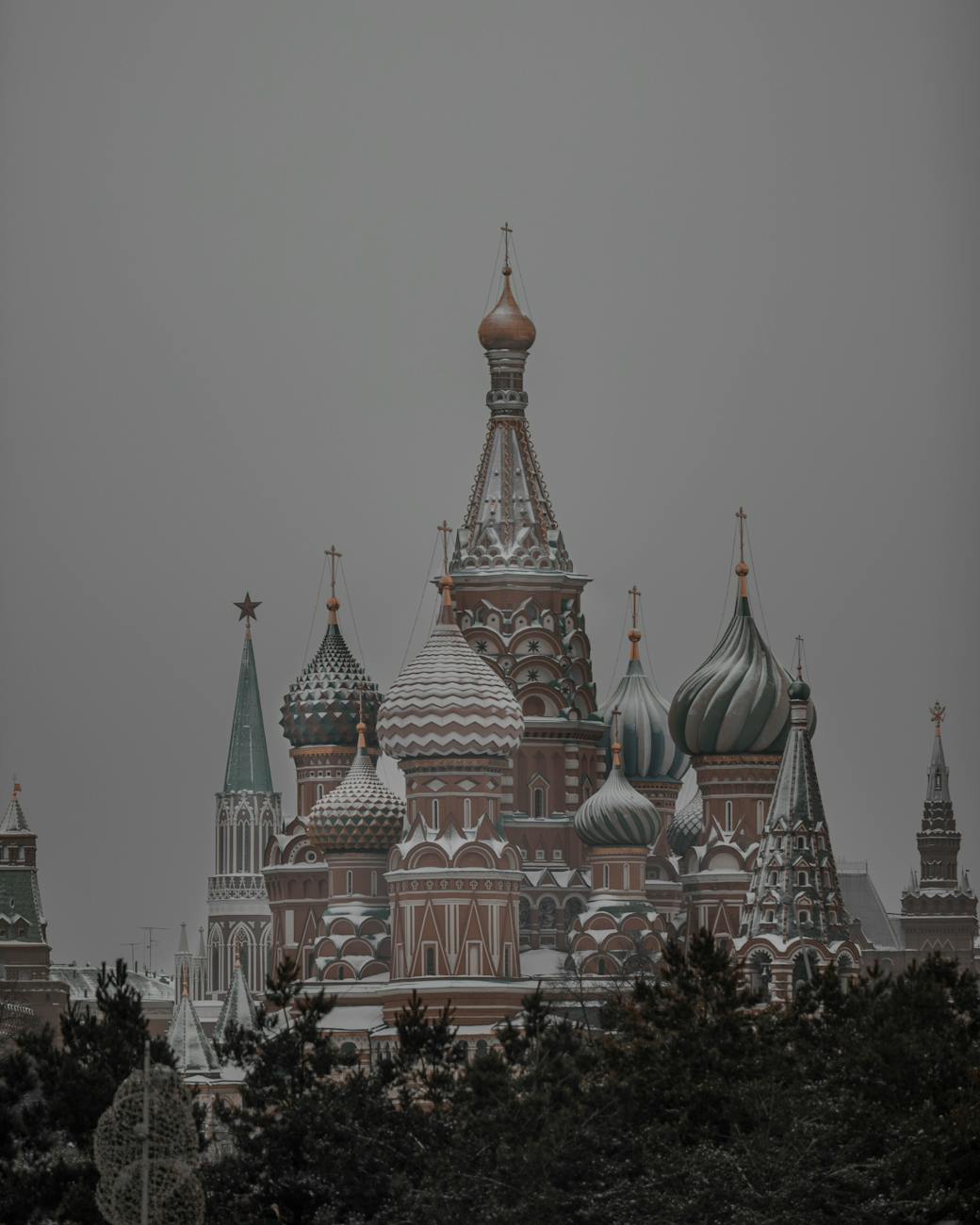
There’s a strange intimacy between despair and meaning, like two sides of the same cracked mirror. Few writers have understood that tension better than Fyodor Dostoevsky and Albert Camus. They were born almost a century apart, wrote in different languages, and came from opposite ends of belief. Yet in their work, you can hear them…
-
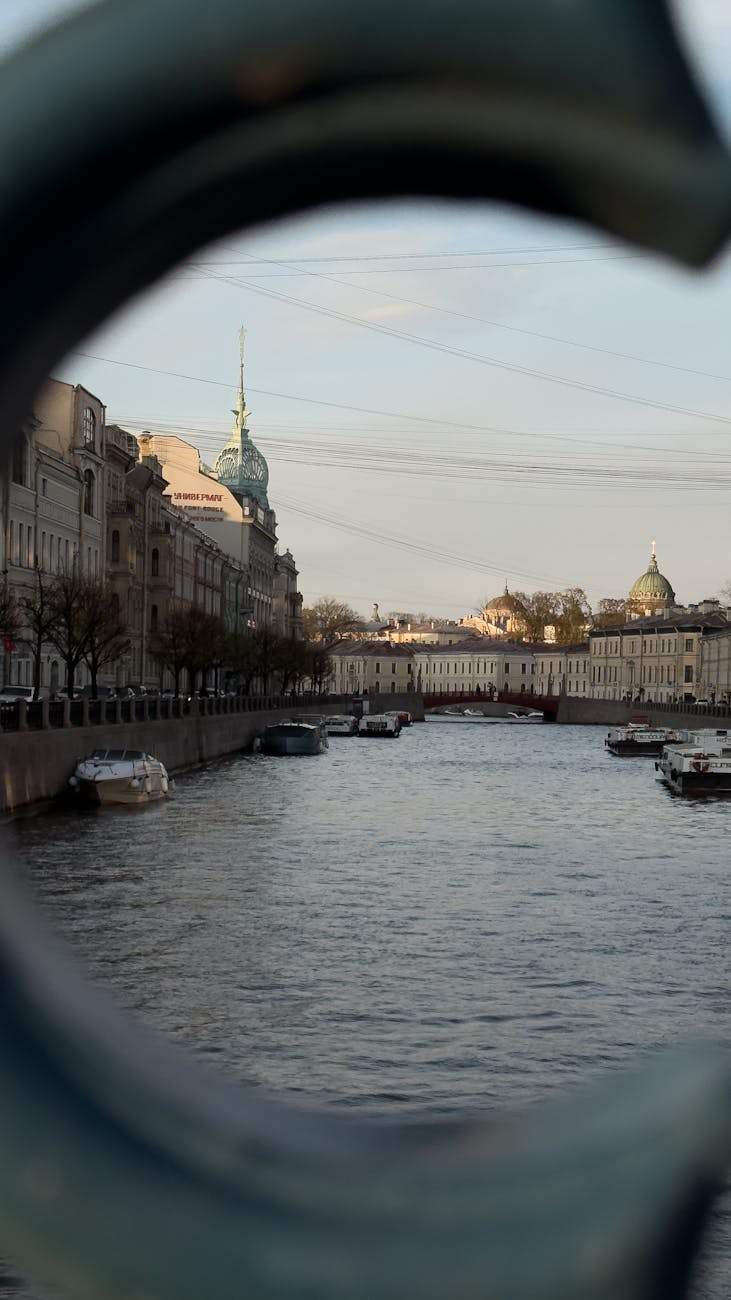
There’s a particular kind of courage required to write under tyranny, not just the courage to speak, but the courage to see clearly when the entire world is designed to blind you. Aleksandr Solzhenitsyn and George Orwell lived on opposite sides of the Iron Curtain, yet their ink bled the same warnings. One wrote from…
-

In the shadowed corridors of 20th-century Russian literature, Anna Akhmatova’s Requiem stands like a candle held in trembling hands, fragile, yet impossibly resistant to extinction. Composed not in ink, but first in memory, whispered from mouth to mouth, Requiem is not just a poem. It is a monument. A dirge. A survival. Written over three decades (1935–1961) and only…
-
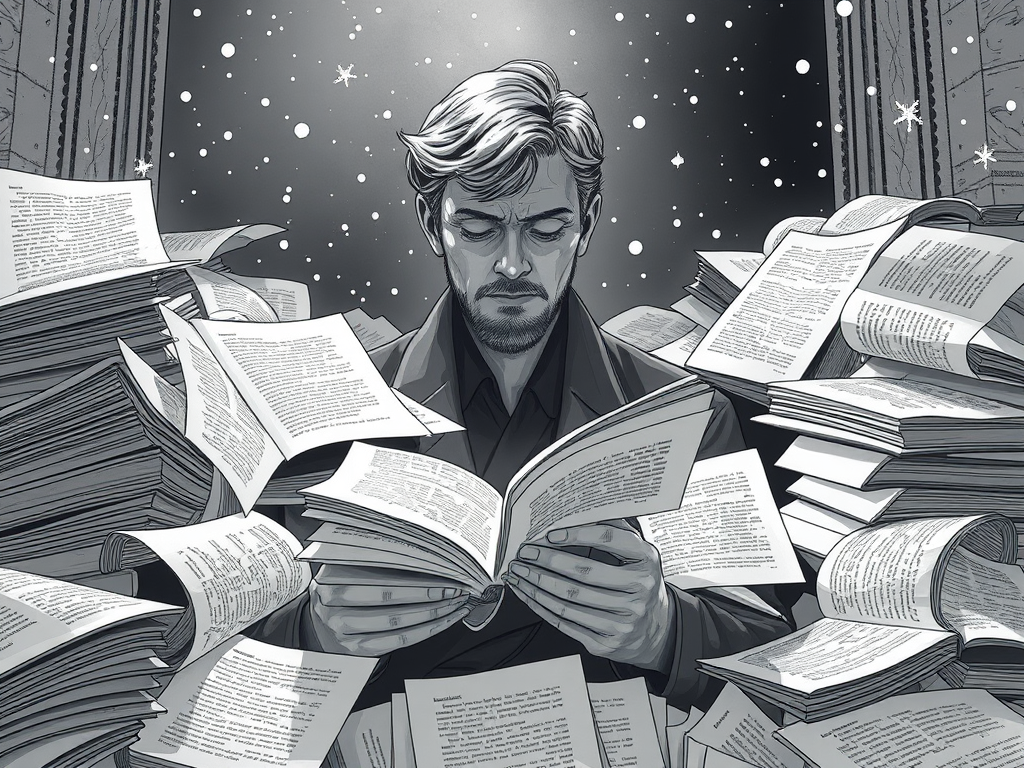
They burned Pasternak’s poems once. Not with flames, but with silence. His verses, too beautiful to be fully erased, were censored out of journals, whispered in stairwells, passed hand to trembling hand like contraband. In the cracks of empire, truth was always dangerous, but never dead. I grew up oceans away from Russia, in a…
-
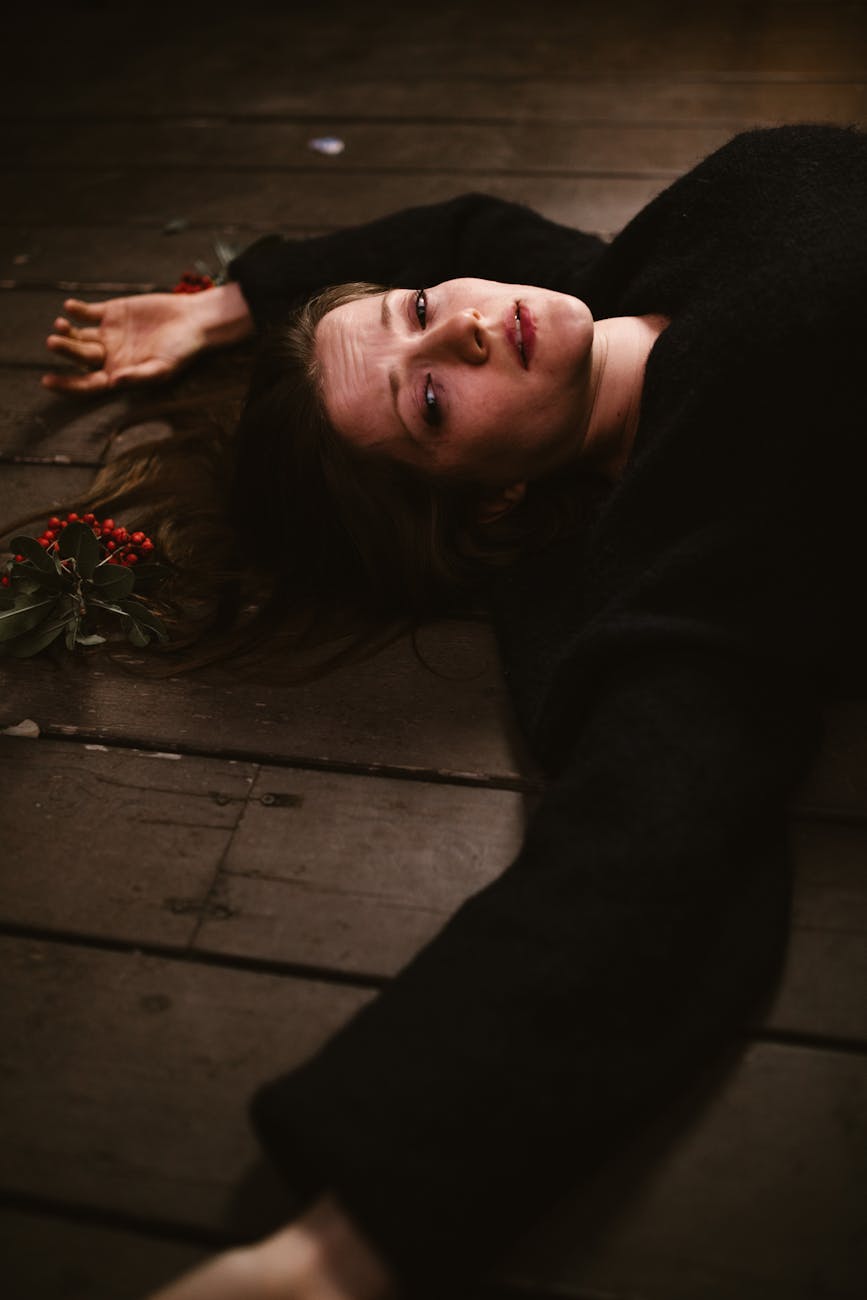
What happens when a woman tells the truth in a world that demands her silence? For Anna Akhmatova and Sylvia Plath, poetry was not mere art, it was an exorcism. A blade. A prayer said with trembling hands in a darkened room. Though born worlds apart, Akhmatova in tsarist Odessa, Plath in 1930s Massachusetts, these…
-
When people think of revolutionary poets, names like Pablo Neruda, Walt Whitman, or Lord Byron often come to mind. But what if I told you that one of the most fearless, groundbreaking poets of the 19th century was a woman from Ukraine, writing in a language that was banned by the Russian Empire? Her name was Lesya Ukrainka, and she…
-
Imagine a small, forgotten town where the mundane transforms into the surreal—where tailor shops hold portals to strange dimensions, and childhood memories blur into myth. This is the world of Bruno Schulz, a Polish-Jewish writer whose dreamlike fiction remains one of the most unusual and underappreciated treasures of Slavic literature. If you’ve never heard of Schulz, you’re…
-

Exploring the Genius of Alexander Pushkin: Series Introduction Alexander Pushkin, often hailed as the father of Russian literature, is like the Beyoncé of 19th-century Russia—a genius whose influence crosses genres, centuries, and cultural boundaries. Born in 1799 to an aristocratic family in Moscow, Pushkin’s works laid the foundation for modern Russian literature, blending lyrical poetry,…
-
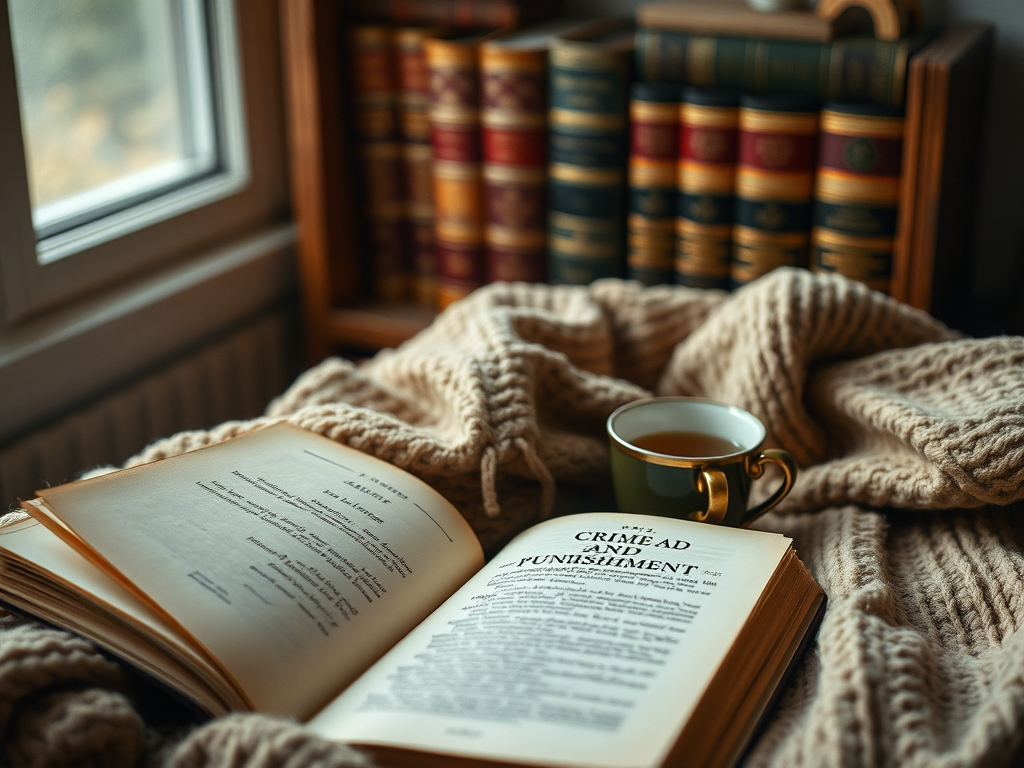
If you’ve ever felt daunted by the idea of diving into Russian literature, you’re not alone. The names are long, the books are thick, and the themes often tackle the deepest parts of the human soul. But here’s the good news: Russian literature is incredibly rewarding, and it’s not as intimidating as it may seem.…