When most people think of Russian literature, Tolstoy and Dostoevsky usually dominate the conversation. But if you dig a little deeper, you’ll find another name that deserves just as much recognition: Ivan Turgenev. While his works may not be as dark or sprawling as those of his contemporaries, Turgenev brings something equally powerful to Russian literature—a quiet, introspective examination of society and the individual’s place within it.
If you’re new to Russian literature, Turgenev is the perfect starting point. His prose is elegant, his characters relatable, and his themes timeless. But beyond the beauty of his writing lies something deeper: a critique of the rapidly changing Russia of the 19th century, and the tension between old and new, tradition and progress, that we can still recognize in our world today.
The Father of Russian Realism
Turgenev is often credited as one of the fathers of Russian realism. He didn’t indulge in the grand philosophical or moral questions that consumed Dostoevsky, nor did he dive into the vast historical panoramas that Tolstoy became famous for. Instead, Turgenev’s novels focused on ordinary people, their relationships, and the quiet moments that make up a life. Through these seemingly simple stories, he captured the essence of Russian society in a time of great transition.
His most famous novel, Fathers and Sons, is a prime example of this. Set during the social and political upheaval of the 1860s, the novel explores the generational conflict between the traditional, land-owning aristocracy and the rising class of young, radical intellectuals. The protagonist, Bazarov, is a “nihilist,” rejecting traditional values and beliefs, and clashing with the older generation that holds onto the past. It’s a novel about change—personal, social, and political—and the often-painful process of letting go of old ways to embrace the new.
Why Turgenev Still Matters Today
You might be wondering: what relevance does a novel written over 150 years ago about a conflict between fathers and sons have for today? The answer is, a lot. Fathers and Sons captures a timeless struggle—the tension between tradition and progress, old and new, parents and children.
We see it everywhere in our own lives, whether in political debates about the future of society, generational conflicts in our own families, or even in our internal battles between holding onto comfort and stepping into the unknown. Turgenev’s exploration of these themes makes Fathers and Sons not just a historical novel, but a deeply modern one. His characters may be Russian aristocrats and intellectuals from the 19th century, but their struggles are ours.
The Beauty of Simplicity
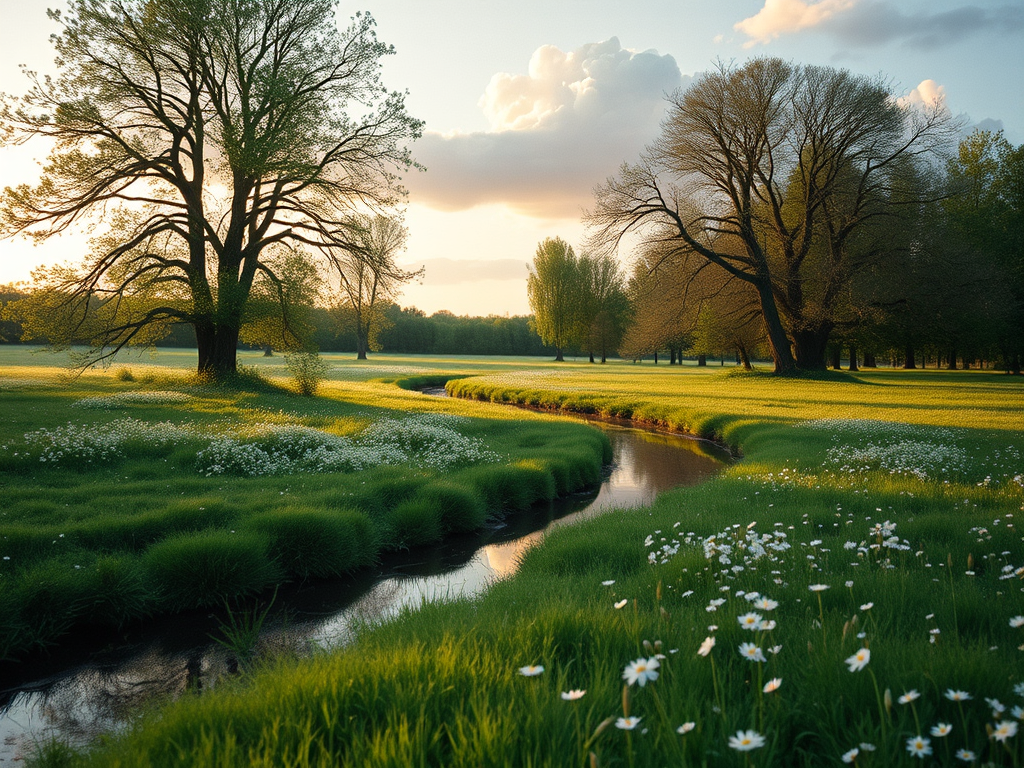
One of the things that makes Turgenev so compelling is his mastery of simplicity. His prose is lyrical without being overwrought, and his storytelling is subtle yet impactful. Turgenev had a deep connection to nature, and it shows in his writing. His descriptions of the Russian countryside are vivid and full of life, but never distracting from the emotional depth of his characters. In works like A Month in the Country and Sketches from a Hunter’s Album, Turgenev captures the beauty of rural Russia while exploring human emotions with equal clarity.
For readers new to Russian literature, Turgenev’s works are incredibly accessible. Unlike Tolstoy’s dense historical narratives or Dostoevsky’s intense philosophical debates, Turgenev’s novels are a bit more grounded, making them a great entry point for those looking to dive into Russian literature without being overwhelmed.
Where to Start with Turgenev
If you’re interested in discovering the genius of Turgenev, here are a few places to start:
- Fathers and Sons – This is the quintessential Turgenev novel, exploring generational conflict, the rise of nihilism, and the tension between tradition and progress. It’s a novel that still resonates today and serves as a perfect introduction to Turgenev’s themes and style.
- A Month in the Country – One of Turgenev’s most beloved plays, this is a quiet but powerful exploration of unrequited love, jealousy, and the complexity of human relationships, all set in the peaceful Russian countryside.
- Sketches from a Hunter’s Album – A collection of short stories that reflect Turgenev’s deep love for the Russian landscape and his concern for the plight of the Russian peasantry. These sketches are a beautiful blend of nature writing and social commentary.
Final Thoughts: The Quiet Revolutionary
Turgenev may not be as dramatic as Dostoevsky or as expansive as Tolstoy, but his influence on Russian literature—and literature as a whole—cannot be overstated. He was a quiet revolutionary, not through grand gestures or sweeping narratives, but through his ability to capture the intimate moments that make up a life, and the subtle shifts in society that lead to profound change.
In a time when our world is once again grappling with the tension between old and new, tradition and progress, Turgenev’s work feels more relevant than ever. So, if you’re looking for a literary experience that’s both beautiful and thought-provoking, I encourage you to explore the quiet brilliance of Ivan Turgenev.
Have you read any of Turgenev’s works? Which Russian authors do you think deserve more attention? Let me know in the comments—I’d love to hear your thoughts!

Leave a Reply